Well designed warden training drills transform plan right into reflex. Theoretically, the chief warden works with, location wardens move, interactions circulation, and emptyings run like a railway timetable. In technique, the first minute of an occurrence chooses whether individuals rely on the plan, comply with instructions, and get to a safe setting up point without confusion. Great drills construct that muscular tissue memory. Wonderful drills do extra: they appear weaknesses in systems and management, sharpen decision making under pressure, and align your team's capability with regulatory commitments such as PUAFER005 and PUAFER006.
I have run and investigated dozens of exercises in high rise workplaces, aged care, institutions, light commercial, and healthcare. The patterns are consistent. Drills succeed when they reflect the site's real threats and constraints, and when wardens educate to a clear requirement: calm communication, decisive action, and accurate coverage. Below is a useful framework, based in experience, for creating warden training situations that in fact transform behavior.
The stakes for wardens and employers
In many work environments, the emergency situation control organisation, or ECO, is a roster on a noticeboard and a box of high visibility hats in a cabinet. Throughout an emergency alarm at 11.12 am on a wet Tuesday, that thin layer of preparation is all that rests in between order and chaos. People will certainly look for a leader. The chief warden's voice, directions from floor wardens, and the convenience of a known path to a well-known assembly area are what maintain lifts empty, stairwells relocating, and susceptible team supported.
Regulators and criteria boards comprehend this. In Australia, the PUAFER005 device covers how to run as component of an emergency situation control organisation. The PUAFER006 unit concentrates on just how to lead an emergency control organisation. Together they underpin fire warden training, chief warden training, and emergency warden training across sectors. If your team finishes a puafer005 course or a puafer006 course, they will learn the concept. Drills transform that understanding into performance.
What "excellent" looks like in warden drills
I court drills by three end results. First, wardens perform their duties in sequence without triggers. Second, owners conform swiftly since guidelines are timely, constant, and legitimate. Third, the debrief recognizes specific, fixable improvements, not unclear views regarding "interaction." You can not accomplish these end results by repeating a straightforward structure emptying twice a year. You need circumstances that extend and concentrate the ECO, matched to risk.
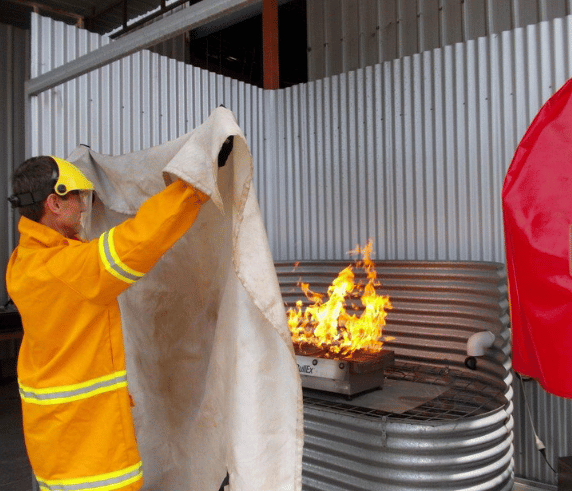
A couple of pens of quality: realistic time stress, restricted details at the start, a clear trigger for intensifying or de escalating, and injects that force decisions. For instance, a blocked stairwell on Degree 9 or a staff member with a mobility problems who can not descend at typical speed. An additional marker: your warden package is in fact utilized. Radios, warden hats, lists, and floor plans have to leave the cabinet. If the chief warden hat colour or fire warden hat colour system exists to signify authority under stress, everybody should see it at work during drills to ensure that fostering is automatic throughout an incident.
Aligning scenarios to site threats and PUAFER competencies
PUAFER005, "run as component of an emergency control organisation," anticipates wardens to perform guidelines, connect, and aid in discharge. PUAFER006, "lead an emergency control organisation," anticipates chiefs and deputies to examine, make a decision, straight, and liaise with emergency solutions. When you create drills, map each infuse to a needed behavior. If the goal is to confirm that area wardens can move an open strategy floor and report green light within 4 mins, shape the scenario to ensure that the move is the bottleneck. If the objective is for the principal to balance conflicting reports and select partial discharge, feed them startled info via comms.
The mix of scenarios should mirror your danger register. Web server areas, kitchens, lithium battery storage, car parks, plant rooms, clinical gases, labs, visitor flow, childcare on site, and after hours personnel all change the risk profile. In a workplace tower, one drill may concentrate on a fire alarm from a mechanical floor with smoke migration to 2 levels above. In an aged treatment center, an area emptying technique matters greater than a complete site evacuation, and the emergency warden course material requires to enhance resident transfer techniques and horizontal activity throughout fire compartments.
Roles, authority, and the exposure problem
An unusual amount of complication in the first two mins boils down to presence and authority. People react to clear signs. Warden hats, vests, and lanyards do greater than tick a conformity box. They provide instantaneous authenticity in congested passages and stairwells. I have seen discharges stall because the loudest voice belonged to an elderly supervisor as opposed to the warden. Visible duty pens aid protect against that cross talk.
Questions about hat and headgear colours turn up in every fire warden course. The regular convention utilized on many sites is red for wardens and white for primary wardens, sometimes with added markings for replacements or interactions. Your local criterion or business plan might vary, so codify it in the site emergency plan and train to it. When somebody asks, "what colour helmet does a chief warden wear," you want a solitary answer that is published on the poster near the panel and reinforced throughout every drill. The same goes with radio phone call indications and network use.
Designing the yearly drill program
One pierce a year is inadequate for a multi occupant building or intricate danger setting. Conversely, month-to-month emptyings are unnecessary and turbulent. Aim for a combined program: 2 to 4 organized exercises across the year, each with an unique emphasis, supported by short tabletop sessions and mini drills for interactions and choice production. New wardens need extra technique in their initial quarter.
A balanced program may consist of a complete building evacuation, a partial or organized discharge, an interactions exercise with no physical movement, and a scenario that tests a non fire risk such as a gas leak, questionable bundle, or power failure. Turn the moment of day to catch different occupancy patterns. Revolve the starting place so all floorings are evaluated throughout the year. Consist of an after hours test if you have prolonged operations.
Building blocks of effective scenarios
The finest drills have clear begin conditions, live injects, defined roles for controllers and viewers, and a short, concentrated debrief. Beginning problems ought to mimic realistic triggers: smoke detector activation, heat detector, hand-operated telephone call point, emergency call to function, or a report to safety. Avoid introducing the exact situation to wardens prior to it begins. The unpredictability belongs to the learning.
Injects are regulated items of details or complications fed to individuals at established times. A warden discovers a locked fire door. A person rejects to leave. The elevator parks at the ground floor with travelers inside. A radio battery passes away. These injects expose exactly how the group focuses on and adapts. Use observers on each flooring to tape timing, behaviors, and bottlenecks.

A core emptying drill: anatomy and detail
Start with your baseline, the complete emptying drill. This is where fire warden requirements in the workplace are most noticeable. You are examining move insurance coverage, stairwell flow, assembly monitoring, roll matter, and re entrance control.
Pick a beginning area with adequate tenancy to examine communications, but not the busiest flooring during quarter end. Quick building management, center solutions, and lessees on the time window and objective. Do not publish the floor or sequence.
At T0, the alarm activates on the initiating flooring and adjacent floorings relocate to signal. The chief warden, recognisable by the chief warden hat, heads to the panel and checks the factor of beginning. Communications begins the basic message. Location wardens on the starting flooring begin the move, making use of loud, clear voice commands, and systematically inspecting rooms, restrooms, and energy spaces. They report "floor clear" only when it is true.
Good teams maintain their radio messages brief. Floor 14 green light at three mins twenty. Stairwell A crowded, draw away to Stairwell B. Lift cars and truck 3 occupied, safety and security notified. If you hear long, conversational updates, train for brevity. The chief warden monitors timing and decides whether to leave extra floorings. If the circumstance includes smoke movement, intensify accordingly.
At the setting up location, the replacement chief and interactions warden handle roll counting with wardens grouped by floor. If your site makes use of electronic roll, examination the tool and the backup paper list. A person will always arrive without a phone, so do not depend on a solitary system. The chief warden gets records, keeps in mind any kind of missing individuals, and communicates with the fire service on arrival.
By the 10 minute mark, you should have a clear picture of whether the ECO can move people safely and represent them. Aim for fundamental objectives: a lot of floorings swept within 4 mins, stairwell blockage handled, lifts secured, and assembly reports finished in 12 to 15 minutes depending on structure size. Huge websites will take longer, which is fine if flow is managed and communication is crisp.
Partial emptyings and choice training
Many contemporary structures have staged alarms and smoke control that enable partial emptying. These systems minimize interruption however demand far better choice making. This is where PUAFER006 lead an emergency control organisation becomes important.
Design a circumstance where only the fire floor and two floors above most likely to evacuation while others stay on alert. Feed the chief warden irregular details: a smoke alarm on Level 7, an obscure smell reported on Level 8, and an upkeep specialist working in the riser. Enjoy how they triage. Do they send a warden to validate a report before intensifying the discharge? Do they advise untouched floors to prepare yet stay in position? Do they manage the building's a/c with the panel or call the technician? These are the judgments that separate skilled leaders from box tickers.
During debrief, talk about the trade off between rate and confirmation. A false alarm with full structure discharge expenses performance and deteriorates count on. A slow-moving response to a growing fire prices lives. Chiefs should refine a bias for activity while using the initial 60 seconds to slim uncertainty. Teach them to make a decision, connect it, and review it as brand-new details arrives.
Communications mini drills
Radios are both a blessing and a curse. They link the ECO, yet they also attract individuals to tell their activities. Micro drills, five minutes each at the start of a shift or a tool kit conference, construct self-control. A single person plays chief, three play flooring wardens. The controller calls out injects. The group methods abrupt updates: location, status, action, requirement. Rotate roles. Examination dead batteries, stuck mics, and network adjustment mistakes. Communication top quality frequently enhances more in two weeks of mini drills than in a single large evacuation.
Non fire scenarios that matter
Fire warden training must never ever mean fire only. The emergency warden role covers medical emergency situations, gas leakages, bomb hazards, violent intruders, chemical spills, flooding, and power outages. You can not imitate every little thing physically, and some situations, like an individual armed with a tool, are best managed as regulated discussions with safety and authorities advice. Still, the ECO must recognize its responsibilities.
A gas leak situation checks whether wardens can isolate an area, restriction ignition sources, and aerate safely. A questionable bundle circumstance tests cordon establishment, access control, and interaction with authorities. A medical emergency tests simultaneous action: one warden coordinates and calls emergency solutions, another controls spectators and lifts, a skilled first aider supplies care. The chief warden balances incident administration with building impacts.
In a laboratory or plant environment, drills for spills and direct exposures matter. Exercise putting on spill PPE, putting absorptive booms, and making use of eyewash terminals. Do not turn this into movie theater. Concentrate on what wardens have to do quickly: separate, leave if required, and turn over to the qualified responder team.
Training brand-new wardens and rejuvenating veterans
New wardens commonly think twice the very first time they advise associates to leave their workdesks. Training ought to stabilize that authority. During a puafer005 course, consist of brief function plays: technique a senior supervisor, supply a clear emptying direction, and companion them to the stairwell. It really feels uncomfortable just once. Afterwards, it ends up being routine.
Experienced wardens obtain obsequious. They know the leaves and figure they can improvisate. Damage that routine with surprises that compel re analysis: an exit closed for building and construction, an obstructed corridor, a transferred setting up area due to roadworks. Keep surprises secure and controlled, and never placed anybody in jeopardy, but do test presumptions. Trust expands when individuals see the ECO keep its equilibrium while plans change.
Special populaces and accessibility
Fire warden needs in the work environment consist of preparing for people that can not leave without help. That consists of individuals with wheelchair impairments, pregnancy, injuries, anxiousness, site visitors, and language obstacles. If your drill program does not resolve these facts, it will fall short during an actual incident.
Create a private individual emergency discharge plan register. During drills, use volunteers to replicate support requirements if ideal. Exercise risk-free movement to refuge factors, use of emptying chairs if your plan supports them, and team tasks that make sure essential skills for chief wardens no person is left without assistance. The chief warden needs to have a straightforward method to track these supports throughout a quick relocating scenario.
The inquiry of hats, helmets, and signals
People remember visuals. Colour conventions exist to provide quick add a noisy corridor. Several offices make use of white for the chief warden hat and red for fire wardens. Others add yellow for communications and green for first aid. Uniformity matters greater than the exact palette, but one policy aids: make the chief warden hat colour unique and conveniently noticeable at range. When someone asks on day one, "what colour helmet does a chief warden wear," your answer must match the gear you in fact issue, the posters, and what personnel see throughout drills. Bring the package to every situation. A warden vest left in a drawer does nothing.
Documentation, proof, and the conformity thread
Regulators and insurance firms desire evidence that your emergency warden training is real. Keep a drill log with days, times, objectives, participants, results, and activities. Maintain duplicates of layout utilized, radio check records, and debrief notes. Connect each circumstance to proficiencies from puafer005 operate as part of an emergency control organisation and puafer006 lead an emergency control organisation. When auditors request for your fire warden training requirements and outcomes, you can show not just attendance however performance.
If you run a chief warden course or chief fire warden training, add a choice log theme. Throughout drills, the acting principal makes a note of major decisions, times, and reasons. That little practice develops liability and aids in complex events. It also enhances debrief top quality because you can compare regarded timing to real timing.
Debriefing that drives change
The debrief is where drills gain their keep. Prevent the trap of a long, undistinct discussion where everybody offers opinions and leadership in chief fire warden training absolutely nothing adjustments. Start with realities: times, clearances, blockage points, communication misfires. Then catch 2 to four specific renovations with owners and deadlines. Examples include reprogramming a radio channel, moving a printer that obstructs a hallway, updating setting up location signs, releasing extra batteries, or clarifying the role of safety and security in lift control.
Be fair. Drills expose system concerns as usually as individual mistakes. If a warden missed out on a storage room throughout a sweep, address it with method and a list, not condemn. If stairwell circulation delayed as a result of a traffic jam at a landing, think about physical changes or a modification in emptying sequencing. Publish the end results so the broader workforce sees that drills lead to action.
Scenario concepts you can lift and use
Here are 5 tested circumstances. Adjust them to your site.
- Alert and evacuate with an obstructed primary leave: Start an alarm system on a mid degree floor. Place a controller at the key exit to reveal a simulated obstruction. Wardens have to reroute flow to the additional path and report the modification. Action move time impact, stairwell equilibrium, and communications discipline. Smoke movement examination: Trigger a smoke alarm near a mechanical space. After initial emptying of the fire floor, infuse a light smoke record on the floor over. The chief warden must decide to leave that floor while holding others at sharp. Observe timing of news and the clearness of guidelines to unaffected floors. Lift entrapment during discharge: Midway via a full discharge, inject a lift car with owners stuck in between floorings. Security takes care of lift treatments, while the ECO should maintain individuals away from the lift lobby and proceed evacuation. Debrief the department of obligations and whether radio website traffic remained focused. Medical emergency throughout partial emptying: Start with an alarm system on one floor. Inject a clinical emergency 2 floorings away. Monitor the chief's ability to allocate a warden to lead paramedics, preserve emptying control, and stay clear of radio blockage. Inspect handover quality. After hours scenario with very little personnel: Run a tabletop or small range drill at 7 pm with only a handful of wardens on website. Exercise solitary warden sweeps, use of opener, and remote communication with the on call chief. Record the gaps and adjust the after hours roster.
These scenarios develop choice points for both wardens and principals, straighten with puafer005 and puafer006 skills, and expose practical issues you can fix.
Common challenges and how to prevent them
Two mistakes thwart lots of programs. The first is treating drills as conformity movie theater. Individuals sense when the outcome is predetermined. Maintain circumstances fresh, vary information, and implement criteria. If someone props a fire door open with a chair, capture it as an activity. The second is ignoring human aspects. In a genuine alarm, somebody will certainly freeze, someone will say, and a person will certainly try to utilize the lift. Train wardens to anticipate these habits and use clear, positive language. Script a couple of phrases that function: Please leave now. Do not use the lift. Follow me to Stairwell B. Short, firm, polite.
Another pitfall is excessive using email to prepare individuals. It fits, especially for tenants and site visitors, yet it can not change a practiced voice over a loudspeaker. If your PA messages are muffled or long, fix them. A crisp announcement from the chief warden reduces questions and speeds movement.
Finally, check the small points. Radio batteries charged. Spare vests readily available. Floor plans current after a fit out. The chief warden responsibilities consist of preparedness, not only feedback. I maintain an easy pre drill ritual: touch the radios, touch the hats, examine the panel keys, review the lineup. Small habits protect against large failures.
Choosing training companions and courses
If you outsource training, try to find service providers that customize drills to your site and can supply both a warden course straightened to puafer005 and a chief warden course aligned to puafer006. Ask them to run a void evaluation on your emergency plan and to consist of viewers who create timing information and a brief, workable record. Quality companies will also address edge situations: disabled discharge approaches, specialist monitoring, and visitors. For the chief fire warden, choose training that goes beyond lists and right into practical case command and intermediary with fire services.
Formal understanding matters, yet do not allow it replace interior possession. The very best programs combine outside training courses with inner leaders that promote technique. Provide your chief emergency warden authority to arrange drills, request maintenance adjustments that impact egress, and quick executives. If you treat the ECO as a genuine group as opposed to a listing of names, efficiency improves.
The peaceful success that foreshadow success
After a year of excellent drills, you will see tiny, telling modifications. Wardens arrive at the panel prior to the chief asks. Radio calls obtain shorter. Individuals stand and grab their jackets when the alert tone sounds as opposed to waiting on a third news. New team can indicate their closest leave without taking a look around. The chief fire warden responsibilities feel less abstract due to the fact that the team has lived them under secure pressure.
Those silent success compound. They are the distinction in between an overwhelmed structure and a disciplined emptying when the alarm causes genuine. The plan, the hats, the training courses, and the signage all matter. But it is the design of your practice scenarios, and the care you put into running and debriefing them, that transforms a written emergency strategy into an exercised, trustworthy response.
Take your leadership in workplace safety to the next level with the nationally recognised PUAFER006 Chief Warden Training. Designed for Chief and Deputy Fire Wardens, this face-to-face 3-hour course teaches critical skills: coordinating evacuations, leading a warden team, making decisions under pressure, and liaising with emergency services. Course cost is generally AUD $130 per person for public sessions. Held in multiple locations including Brisbane CBD (Queen Street), North Hobart, Adelaide, and more across Queensland such as Gold Coast, Sunshine Coast, Toowoomba, Cairns, Ipswich, Logan, Chermside, etc.
If you’ve been appointed as a Chief or Deputy Fire Warden at your workplace, the PUAFER006 – Chief Warden Training is designed to give you the confidence and skills to take charge when it matters most. This nationally accredited course goes beyond the basics of emergency response, teaching you how to coordinate evacuations, lead and direct your warden team, make quick decisions under pressure, and effectively communicate with emergency services. Delivered face-to-face in just 3 hours, the training is practical, engaging, and focused on real-world workplace scenarios. You’ll walk away knowing exactly what to do when an emergency unfolds—and you’ll receive your certificate the same day you complete the course. With training available across Australia—including Brisbane CBD (Queen Street), North Hobart, Adelaide, Gold Coast, Sunshine Coast, Toowoomba, Cairns, Ipswich, Logan, Chermside and more—it’s easy to find a location near you. At just $130 per person, this course is an affordable way to make sure your workplace is compliant with safety requirements while also giving you peace of mind that you can step up and lead when it counts.